What to Eat After Seeing an Emergency Dentist
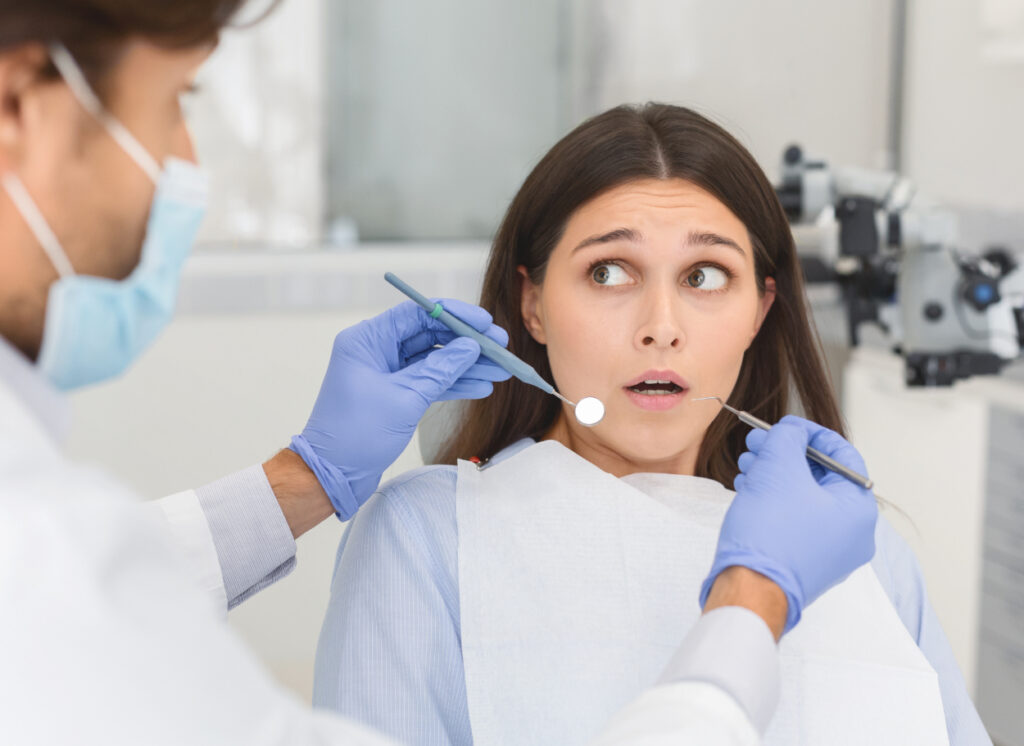
A visit to an Emergency Dentist usually means something has already gone wrong. A cracked molar, a lost filling, a swollen gum, a broken crown, a tooth pulled after a failed root canal, sudden pain that made sleep impossible, all of these leave your mouth tender and a little unpredictable. The treatment itself may bring relief, but what you eat in the next several hours and days often decides whether healing stays on track or you end up back in the chair.
People tend to focus on the procedure and overlook the recovery. I have seen the same pattern many times. Someone does the hard part, gets urgent care, then goes home and reaches for toast, pizza crust, chips, or coffee that is far too hot. By evening, the numbness has worn off, the site is throbbing, and irritation has set in. Food matters because injured tissue, recent dental work, and lingering anesthesia all change how safely and comfortably you can chew.
The right approach is less about a strict menu and more about matching your food choices to the kind of treatment you had, the level of soreness you feel, and whether your mouth is numb. Soft texture, moderate temperature, and low irritation are the big themes. From there, the details depend on whether you had a tooth extraction, emergency filling, crown repair, drainage of an abscess, treatment for a broken tooth, or something more involved.
Start with the first few hours
Right after emergency dental treatment, the mouth is often numb from local anesthetic. This is the window when people accidentally bite their cheek, lip, or tongue without realizing it. If you are still numb, it is usually best to wait before eating anything that requires real chewing. If you do need something, choose a very soft food you can eat slowly with a spoon, and keep it away from the treated side.
Temperature matters almost as much as texture. Very hot foods and drinks can increase discomfort, and if your lip or tongue is numb, you may not realize something is too hot until after you have burned yourself. Very cold foods can feel soothing for some people, especially after an extraction, but sharp cold can trigger sensitivity if a tooth nerve is exposed or the dentist worked close to the pulp. That is why room temperature or cool foods tend to be the safest starting point.
Hydration is often overlooked after an urgent dental visit. Pain, swelling, and stress can leave people slightly dehydrated, especially if they have avoided eating or drinking before the appointment. Sip water regularly. It keeps the mouth from drying out and is gentle on nearly every type of dental recovery. If you had an extraction, drink from a cup, not a straw. Suction can disturb clot formation in the socket, which raises the risk of a dry socket, one of the more painful setbacks after a tooth is removed.
The best foods are soft, plain, and easy to control
For the first day or two, think about foods that do not demand much from your teeth and gums. You want nourishment without friction. Soft foods also make it easier to keep chewing on the opposite side if only one area was treated.
A practical short list looks like this:
- Yogurt, preferably plain or low in sugar, if cold does not bother the area
- Applesauce, mashed bananas, or other soft fruit without seeds
- Scrambled eggs, oatmeal, or cream of wheat
- Mashed potatoes, soft rice, or well-cooked pasta
- Smooth soups that are warm, not hot, and do not contain crunchy bits
These choices work because they cover a few bases at once. They are easy to chew, unlikely to crack or cling to dental work, and simple to swallow if opening the jaw is uncomfortable. Eggs are particularly helpful after emergency treatment because they provide protein without much effort. Yogurt can be useful too, although if you had heavy bleeding or strong sensitivity to cold, it may be better later in the day rather than immediately after you get home.
Many people ask about smoothies. They can be excellent after seeing an Emergency Dentist, but there are two conditions. First, do not use a straw after an extraction. Second, avoid small seeds that can slip into a healing area and cause irritation. A banana smoothie or a blended drink with yogurt and soft fruit is a better option than a berry smoothie full of seeds.
Why the type of dental emergency changes the diet
Not all emergency dental treatment creates the same recovery. A temporary filling has different needs than an extraction, and a repaired crown does not behave the same way as a drained abscess. This is where good judgment matters more than generic advice.
If you had a tooth extracted, the main concern is protecting the blood clot in the socket. That clot is the body’s natural dressing. Disturb it too early, and the bone underneath can become exposed, leading to significant pain. In that situation, soft foods, no straws, and no aggressive swishing are the priorities. Even foods that seem harmless, such as rice or small grains, can occasionally work their way toward the area and become annoying, so many dentists suggest slightly smoother foods during the first day.
If your Emergency Dentist placed a temporary crown or filling, the concern shifts to durability. Temporary materials are useful, but they are not as strong as permanent restorations. Sticky foods can tug them loose. Hard foods can crack them. Chewing ice, gum, caramel, or even crusty bread can undo the repair surprisingly fast. In those cases, softer foods are still wise, but the key is avoiding stress on the restored tooth until your follow-up appointment.
If you were treated for an abscess or severe gum infection, your mouth may be less bothered by texture and more bothered by pressure, heat, and spice. Inflamed tissues can react sharply to foods that are heavily seasoned, acidic, or served very hot. Soup can be fine, but only if it is warm enough to be pleasant and not hot enough to increase throbbing. Tomato soup, for example, may sting if the tissues are raw or if there is an open area near the gum line. A plain potato soup or blended squash soup is often easier.
A broken tooth can be a special case. If the break left a jagged edge or exposed dentin, even soft foods can trigger pain if they are too cold, too sweet, or too acidic. In those moments, the simplest foods tend to be the best. Scrambled eggs at room temperature may be far more comfortable than a fruit smoothie. There is no prize for eating “healthy” if the choice sets off a stabbing zing every time it touches the tooth.
Foods that cause trouble more often than people expect
Most patients already know to avoid hard candy and tortilla chips. The bigger problem is the foods that seem harmless but create trouble anyway. Toast is a classic example. It is not hard in the same way as nuts, but dry toast has tiny abrasive edges and takes more chewing than people realize. Granola behaves similarly, as do crackers, popcorn, and seeded bread. They break into fragments that travel easily and can irritate a surgical site or get stuck near a temporary repair.
Spicy food is another common mistake, especially when people think, “It’s soft, so it must be fine.” Soft does not always mean gentle. Curry, hot sauce, salsa, and heavily seasoned takeout can light up tender tissue. Citrus deserves the same caution. Orange juice sounds innocent enough until it finds a raw gum area and reminds you otherwise.
Sticky foods deserve special mention because they are a problem after many kinds of urgent dental work, not just extractions. Peanut brittle is obviously risky, but so are gummy candies, chewy protein bars, taffy, caramel, and even some dried fruits. They pull, wedge, and cling. If you have had a temporary crown placed by an Emergency Dentist, those foods can shorten its life from weeks to hours.
Then there is alcohol. Patients do not always ask about it, but it can be a poor choice right after treatment. Alcohol can dry the mouth, interfere with judgment about biting or chewing, and may not mix well with prescribed pain medication or antibiotics. If your dentist gave you medication, follow those instructions closely. Even when there is no direct drug interaction, alcohol is not helpful to early healing.
The first full day, what normal can look like
By the next day, many people want to know whether they can start eating “real food” again. The honest answer is usually yes, but selectively. If pain is controlled, bleeding has stopped, and you can chew without strain, you can often expand your choices. The trick is to move from very soft foods to tender foods, not straight to crunchy or chewy ones.
Soft pasta, flaky fish, tender chicken cut into very small pieces, cooked vegetables, rice, pancakes, and soft sandwiches without crust can all fit, depending on the treatment you had. If you are testing a food, take a small bite first and notice what happens. Does it require more pressure than expected? Does it drag across the sore area? Does it leave fragments behind? Your mouth will usually give you feedback quickly.
There is a pattern I have seen in recovery that is worth mentioning. People often feel good enough by the second day to become careless. That is when someone bites down on the treated side because “it felt okay this morning,” or eats a bag of chips because the worst pain is gone. Healing tissues are not fully strong just because they are less sore. A tooth that was stabilized, a temporary repair, or a fresh extraction site can still be vulnerable well after the initial ache starts to fade.
If you had an extraction, be more cautious than you think you need to be
Extraction care deserves its own section because it is where dietary mistakes cause the most avoidable suffering. The blood clot in the socket is doing important work, and the first 24 to 48 hours are especially sensitive. During that time, choose foods that can almost be swallowed with minimal chewing. Pudding, yogurt, mashed potatoes, scrambled eggs, and blended soups make sense. So do soft noodles and oatmeal, if they are not too hot.
Here is a simple rule set that serves most extraction patients well:
- Eat soft foods for at least the first day, sometimes longer if the extraction was difficult
- Chew on the opposite side of the mouth
- Avoid straws, smoking, and vigorous rinsing
- Skip hard, crunchy, spicy, and seedy foods until the site is more stable
- If pain suddenly worsens after initial improvement, call the dentist
That last point matters. Most post-extraction discomfort improves gradually. If pain becomes more intense on https://brookssvvf734.almoheet-travel.com/emergency-dentist-advice-for-a-tooth-broken-below-the-gumline day two or three, especially with a bad taste or foul odor, that can signal a complication such as dry socket or infection. Food will not cause every problem, but poor food choices can contribute to irritation and make symptoms more obvious.
Eating when your mouth is sore but you still need proper nutrition
It is easy to undereat after emergency dental care. People are tired, nervous about pain, and limited in what feels comfortable. Missing one meal is not a big issue, but going a couple of days on almost nothing can leave you weak and cranky, and that often makes pain feel worse. The goal is not perfect nutrition. The goal is adequate calories, enough protein, and regular fluids.
Protein deserves extra attention because healing tissue uses it. Eggs, Greek yogurt, cottage cheese, soft fish, tofu, and blended soups with beans can all help. If chewing is tiring, smaller meals are usually easier than large ones. A bowl of oatmeal in the morning, scrambled eggs later, soup at lunch, yogurt in the afternoon, and soft pasta in the evening may work better than trying to sit down to one substantial dinner.
For children, the challenge is often compliance rather than food selection. A child who has seen an Emergency Dentist may feel fine enough to demand chips, fries, or cookies by the afternoon. Parents usually do better when they offer appealing soft alternatives rather than framing the whole day as restrictions. Applesauce, smoothies by spoon, macaroni and cheese, mashed potatoes, and ice cream in moderation often go over much better than repeated warnings.
For older adults, especially those with dentures, partials, or multiple restored teeth, texture can matter even more after emergency treatment. Something as simple as a crusty roll can create pressure in all the wrong places. Soft, balanced meals are not just more comfortable, they reduce the chance of biting awkwardly and creating a second problem while the first one is still healing.
What about coffee, soda, and sweets?
Coffee is one of the first things adults ask about, and for good reason. If you are used to it daily, skipping it can bring on a headache. In many cases, coffee is not forbidden, but timing and temperature matter. Wait until numbness wears off, and avoid very hot coffee right away. If the treated area is sensitive, lukewarm may be far more tolerable. After an extraction, plain coffee from a cup is safer than iced coffee sipped through a straw.
Soda is less ideal. Carbonation can feel irritating, and sugary or acidic drinks are not helpful around fresh dental work or inflamed tissue. A single drink is unlikely to cause disaster, but water is the better default, especially in the first day or two. If you do have soda, drink it normally, not through a straw if you have had an extraction.
Sweets are a mixed bag. Ice cream can feel soothing after some procedures, but if a tooth is temperature-sensitive, it may feel terrible. Pudding is soft and easy, but high sugar intake is not great if oral hygiene is harder than usual. The practical answer is moderation. Use sweet soft foods to get calories if you need them, but do not live on them for days.
Hygiene and eating are connected
What you eat after emergency dental care cannot be separated from how clean you keep the mouth. Food debris sitting around a healing area creates irritation, bad taste, and sometimes odor that patients mistake for something more serious. After most non-extraction procedures, a gentle rinse with water after meals helps a lot. If your dentist recommended saltwater rinses, follow their timing and frequency.
After an extraction, be gentler than your instincts tell you. You want cleanliness without force. Let water move through the mouth rather than swishing hard. Brush the other teeth carefully, and stay away from the socket itself unless your dentist has told you otherwise. If food catches near the site and you cannot remove it easily, call the office rather than probing aggressively with a toothpick or fingernail. I have seen minor issues turned into major ones by well-meaning self-help.
When you can return to your usual diet
A normal diet usually returns in stages, not all at once. For a simple filling or minor repair, that may be later the same day, with a little caution around numbness and chewing pressure. For an extraction, it may take several days before crunchy or chewy foods feel wise. For a complex emergency involving swelling, infection, jaw soreness, or multiple teeth, it can take longer.
A good rule is to let comfort guide speed, but not to let comfort erase common sense. If the site hurts when you chew, back off. If a temporary crown feels loose, treat it gently. If a repaired tooth feels high or strange when you bite, choose softer foods and call your dentist, because the bite may need adjustment. If you have stitches, a draining site, or ongoing swelling, stay conservative until you have clear improvement.
The safest approach after seeing an Emergency Dentist is rarely glamorous. It is simple food, eaten slowly, on the side of the mouth that feels strongest, with enough patience to let the repair settle and the tissue recover. That restraint is what keeps a manageable dental problem from becoming a second emergency. When patients do well after urgent treatment, it is usually not because they found a perfect miracle food. It is because they respected the healing process for a few days, kept things soft and clean, and gave their mouth a fair chance to recover.
Simple Dental Vermont
Address: 8914 S Vermont Ave, Los Angeles, CA 90044
Phone number: +13239493000
FAQ About Emergency Dentist Los Angeles CA
What can the ER do for a tooth?
The emergency room can provide temporary symptom relief for a bad tooth, such as prescribing pain medicine or antibiotics, but it cannot fix the actual dental problem.
What is the 3-3-3 rule for tooth infection?
The 3-3-3 rule for a toothache or infection typically means taking three 200 mg ibuprofen tablets (600 mg total) three times a day for no more than three days to control pain and swelling while waiting to see a dentist.
What do you do if you have a dental emergency but no dentist?
If you have a dental emergency and no regular dentist, you should search for an urgent care dental clinic, call local walk-in dental offices, or go to a hospital emergency room if you have severe bleeding, swelling, or trouble breathing.