What Happens to Your Real Teeth Under Veneers?
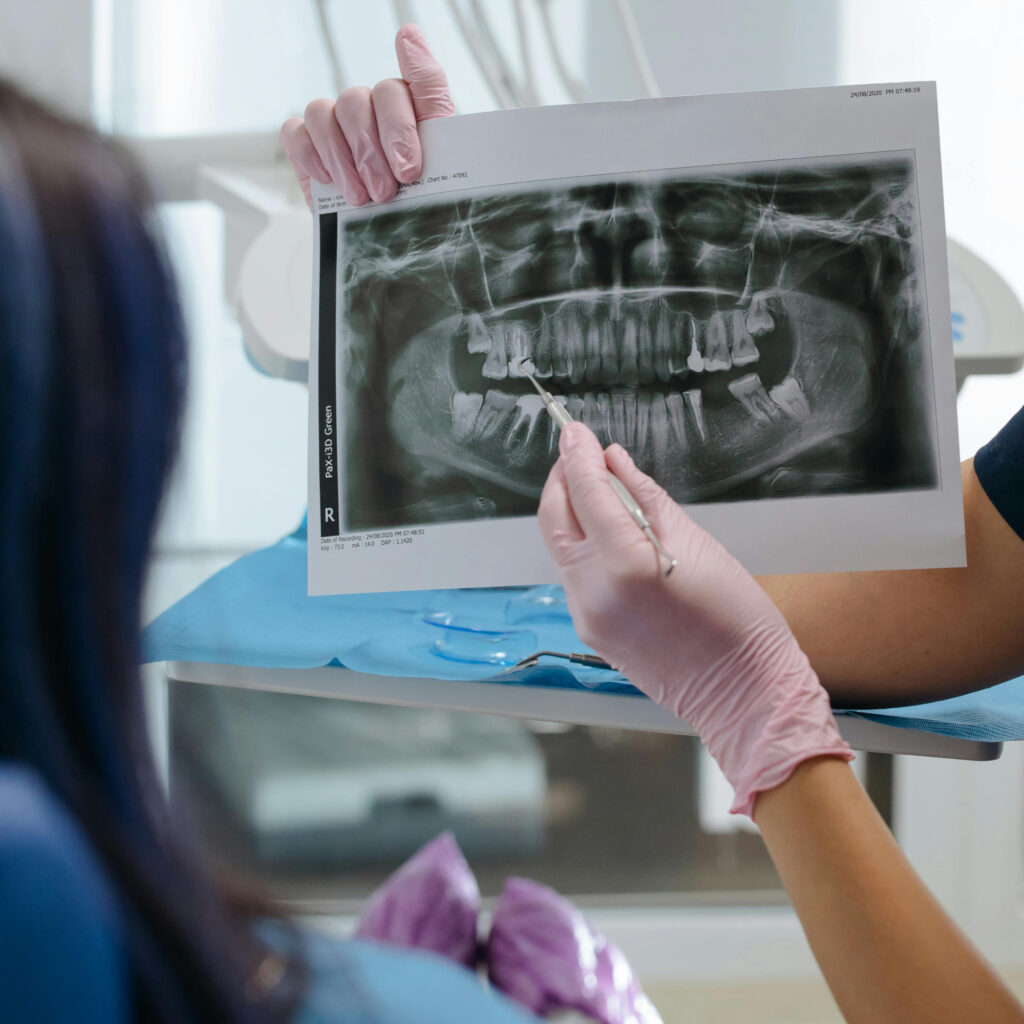
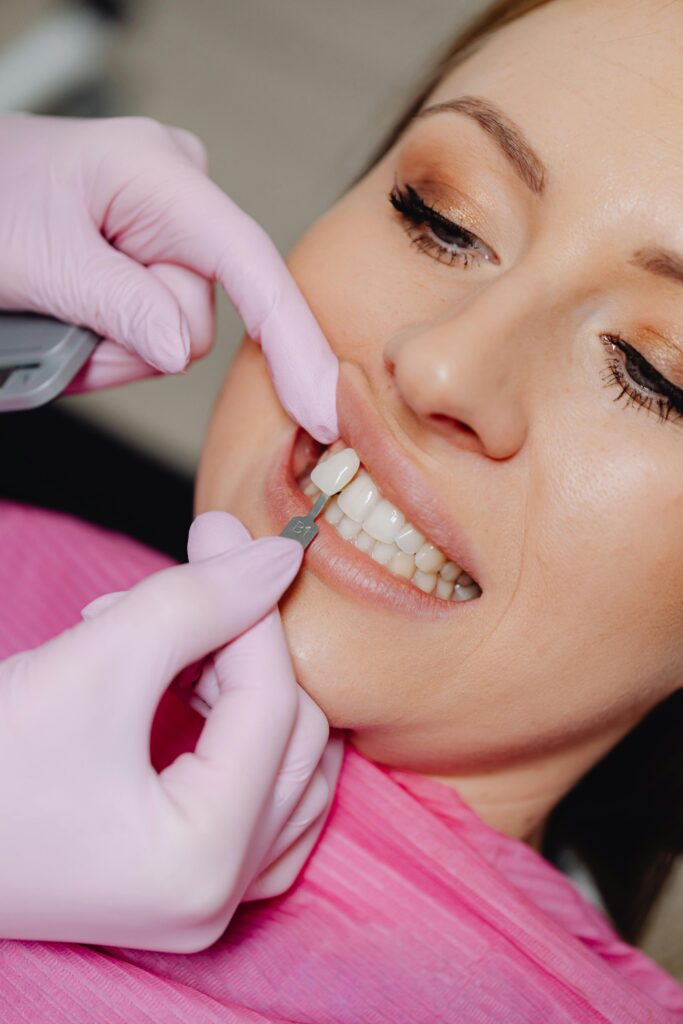
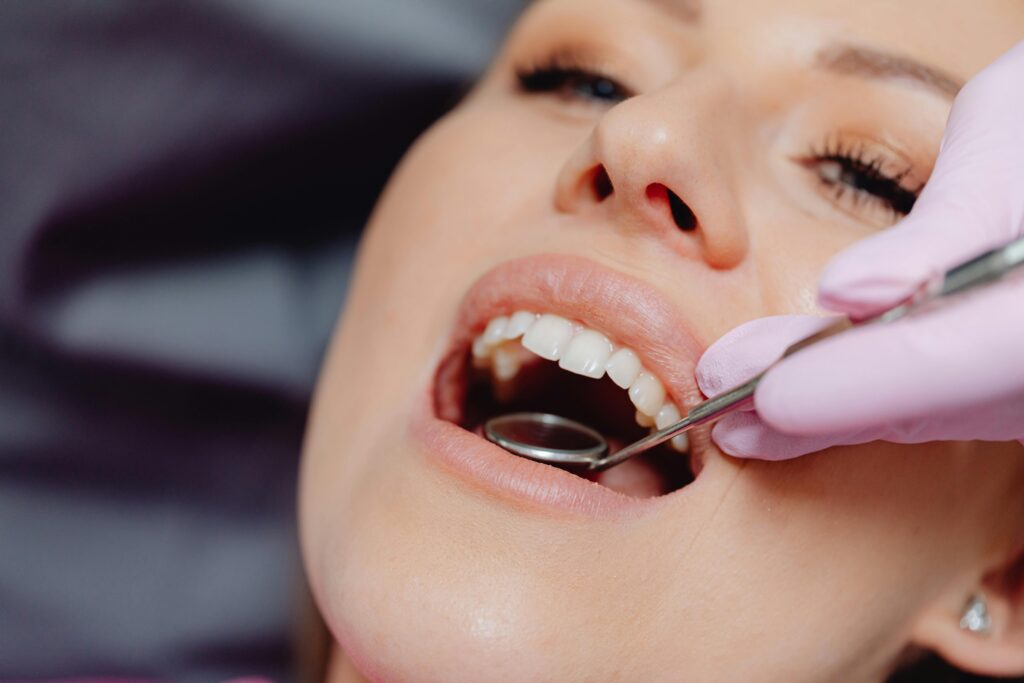
The short answer is that your real teeth stay very much alive under veneers, but they do change. Enamel is usually reshaped to make room for the porcelain or composite covering. After that, the tooth continues to function, respond to temperature, and depend on healthy gums and good hygiene. Veneers do not replace your teeth. They sit on top of them, like a carefully engineered outer shell.
That distinction matters because many people imagine veneers as a cosmetic mask that somehow seals off the natural tooth forever. Dentistry is not that simple. The tooth underneath still has nerve tissue, still needs support from surrounding gum and bone, and still faces the same basic threats it always did: decay, fracture, grinding forces, gum recession, and poor home care. Veneers can be beautiful and durable, but they are not a free pass from biology.
If you are considering veneers, or you already have them and find yourself wondering what is happening underneath, it helps to know exactly what the process does, what it does not do, and where problems can show up years later.
Your tooth is not removed, but it is usually altered
For most traditional porcelain veneers, a dentist removes a thin layer of enamel from the front surface of the tooth. This reduction is often modest, commonly around 0.3 to 0.7 millimeters depending on the case, the position of the tooth, and the final shape needed. In some situations, prep can be even lighter. In others, especially where the tooth is protrusive, dark, or heavily restored, the preparation may need to be more involved.
That enamel reduction is permanent. Enamel does not grow back. Once it is removed, the tooth will always need some type of covering if the veneer comes off or fails. This is one of the most important points patients should understand before treatment. Veneers are conservative compared with full crowns, but they are still an irreversible procedure in many cases.
There are exceptions. Some “no-prep” or minimal-prep veneers exist, and they can work well for carefully selected patients, especially when the natural teeth are small, slightly worn, or set back enough to accept added thickness without looking bulky. But the idea that veneers always go on with no drilling is marketing more often than reality. In day-to-day practice, most good veneer cases involve at least some reshaping.
Under the veneer, the tooth is still there, just slimmer in the areas that were prepared. The dentist aims to stay mostly in enamel because veneers bond best to enamel. Bond strength is more predictable, longevity is better, and postoperative sensitivity is generally lower. Once preparation extends too far into dentin, the softer inner layer under enamel, the case becomes more technique-sensitive and sometimes less durable.
What the tooth feels like after preparation
Right after the teeth are prepared, many patients notice sensitivity. Cold air, cold water, and even the suction tip during dental work can make prepared teeth feel sharp or “zingy.” That sensation is not unusual. The natural enamel layer has been thinned or partially removed, so the tooth has less insulation.
Temporary veneers often help during this phase, though temporary coverage varies by case. Some very minimal veneer preps do not require traditional temporaries. When sensitivity does occur, it usually settles after the final veneers are bonded, because the porcelain and adhesive restore some protection to the surface.
Still, a veneer is not the same as untouched enamel. Some patients remain slightly more aware of temperature changes than they were before treatment. Others feel completely normal after a short adjustment period. Much depends on how much reduction was done, whether dentin was exposed, whether the teeth were already sensitive, and how carefully the bonding was handled.
I have seen a common pattern with patients who had been told veneers were “just like putting on fake nails.” They expected zero sensation and zero maintenance. Then they felt a few days of cold sensitivity and assumed something had gone wrong. Usually nothing had. The tooth had simply gone through a controlled, restorative process, and teeth are living structures, not inert surfaces.
Veneers do not suffocate or kill the tooth
One persistent myth is that placing veneers somehow causes the natural teeth to rot or die underneath because they are “covered.” That is not how teeth work.
A healthy tooth gets its blood supply from inside, through the pulp and root. It does not breathe through the front enamel surface. Covering the front of a tooth with porcelain does not starve it. If the tooth is prepared conservatively and bonded properly, it can remain vital for many years.
Problems can happen, but they usually have specific causes. A tooth may become inflamed if preparation was too aggressive, if there was preexisting trauma, if bonding generated excessive irritation, or if bite forces were poorly managed afterward. The veneer itself is not automatically harmful. The quality of diagnosis, tooth preparation, bonding, and bite design matters far more.
Think of it this way: a veneer does not make the tooth stop being a tooth. It remains a living organ with a protective cover on its front surface.
The biggest biological risk is not “under the veneer,” it is at the margins
When people worry about what happens under veneers, they often picture decay spreading invisibly beneath a solid porcelain shell. In reality, the area dentists watch most closely is the margin, the seam where veneer meets tooth.
If that junction is smooth, well-sealed, and kept clean, the risk is relatively https://medium.com/@oaksdental/about low. If the margin is rough, overcontoured, leaking, or sitting in a plaque-heavy environment, trouble can start there. Bacteria do not need a dramatic opening. They need stagnation, poor hygiene, sugar exposure, and time.
Decay around veneers is possible, especially near the gumline or between teeth. It is more likely when patients already have a high cavity risk, dry mouth, inconsistent hygiene, or a diet that includes frequent acidic or sugary drinks. A beautifully made veneer on a poorly maintained tooth is still a poorly maintained tooth.
This is also where craftsmanship shows. Good veneers are not just about color and shape. They need margins that can be cleaned, contacts that allow floss to pass properly, and contours that do not trap plaque. An overbulked veneer can look nice in photographs and still create long-term gum irritation.
Gum health affects what happens to the tooth underneath
The veneer itself is attached to the tooth, but the success of the restoration depends heavily on gum tissue. If gums are inflamed or receding, the exposed margin becomes more vulnerable. If recession occurs over time, the root surface may become visible near the edge of the veneer. Root surfaces are not enamel. They are softer and more susceptible to sensitivity and decay.
This is one of the quiet realities of cosmetic dentistry: teeth do not age in isolation. Gums change, bite patterns shift, and habits catch up with people. A veneer that looked ideal at age 32 may show a visible edge at 45 if gum recession develops. That does not always mean the veneer failed. It may simply mean the mouth changed.
Patients who clench or brush aggressively often see this sooner. So do people with a history of periodontal disease. If someone has thin gum tissue and expects veneers to remain visually frozen for decades, that expectation needs adjusting. Dentistry can improve the appearance of teeth, but it cannot stop the biology of aging.
What happens if you get a cavity under or around a veneer
Small areas of decay near a veneer margin can sometimes be treated without removing the veneer, depending on the location. But if decay extends under the bonded restoration or compromises the tooth significantly, the veneer may need to come off. That is where things become more complicated.
Removing a veneer is not like peeling off a sticker. Dentists often have to section it carefully because porcelain bonds strongly to enamel. The goal is to preserve as much remaining tooth structure as possible. If the underlying tooth is still mostly intact, a new veneer may be placed. If the tooth has become too weak, too heavily restored, or too compromised, it may need a crown instead.
That shift, from veneer to crown, is one of the long-term pathways patients should understand. Veneers are conservative, but they are part of a treatment timeline, not always the final chapter. A tooth that starts with a veneer may one day need a replacement veneer, a bonded repair, a crown, root canal treatment, or in some difficult cases, extraction and implant therapy. Not because veneers are bad, but because teeth exist in a real mouth with decades of wear ahead.
Can the tooth underneath turn dark?
Yes, it can, and when it does, the veneer may reveal it over time.
A tooth can darken for several reasons: previous trauma, aging of the internal tooth structure, leakage around old restorations, or changes after root canal treatment. Porcelain veneers are not identical to opaque paint. They have translucency, which is part of what makes them look natural. That same translucency means the color of the tooth underneath still influences the final appearance.
This is why heavily discolored teeth are more complex veneer cases. Sometimes the dentist needs a more opaque ceramic, sometimes more tooth reduction is necessary to create room for masking materials, and sometimes a full crown is the better choice. If someone starts with a healthy, bright tooth underneath, long-term color changes are less likely to become a cosmetic problem, but they are not impossible.
Composite veneers can show this issue too, and they may also stain or wear differently over time. Porcelain generally resists staining better, though the surrounding tooth structure and the bonding edges can still pick up color changes from smoking, coffee, tea, red wine, or simply age.
Bite forces matter more than most people realize
A veneer can be beautifully bonded and still fail early if the bite is wrong. Teeth do not just sit there looking attractive. They slide, collide, absorb force, and respond to habits. A patient who grinds at night can place enormous stress on the front teeth, far more than they notice while awake.
When that happens, the underlying tooth may remain healthy, but the veneer can chip, debond, crack, or create stress at the tooth interface. In more severe cases, the natural tooth can fracture as well. Front teeth with veneers are not fragile by definition, but they are not meant to open packages, tear fingernails, chew ice, or hold hairpins. Those are the little daily abuses that shorten restoration life.
A practical way to think about it is this:
- Veneers handle normal biting and smiling well.
- Veneers handle light wear reasonably well when the bite is stable.
- Veneers do poorly with chronic grinding unless protected.
- Veneers are vulnerable to edge-loading habits, such as biting pens or ice.
- Veneers last longer when the bite is evaluated before treatment, not after something breaks.
This is where experience really shows in treatment planning. A dentist who only focuses on color and shape may deliver a cosmetic result that looks excellent in the chair and fails in function. A dentist who studies how the patient closes, slides, clenches, and wears their teeth gives the veneers a better chance of lasting.
The nerve inside the tooth usually stays alive, but not always forever
One question patients often ask is whether veneers lead to root canals. The honest answer is sometimes, but not commonly when cases are selected and executed well.
Most teeth with veneers remain vital. The pulp, which contains the nerve and blood vessels, tolerates conservative preparation well. However, teeth are not machines. They respond to cumulative insult. A history of orthodontic movement, trauma from a fall years ago, repeated bonding procedures, deep preparation, heavy grinding, or extensive old fillings can all increase the chance that a tooth becomes symptomatic later.
Sometimes a tooth that seemed fine before veneers develops lingering sensitivity or spontaneous pain months later. That can indicate pulp inflammation. Sometimes the issue resolves. Sometimes root canal treatment becomes necessary. If that happens, the veneer may survive the procedure, or it may need replacement depending on access and structural concerns.
This is not unique to veneers. It is part of the broader reality that any restorative treatment carries biologic risk. The key is to minimize that risk through conservative preparation, careful cooling during drilling, strong bonding protocols, and realistic case selection.
What your teeth need after veneers are bonded
The natural teeth under veneers need nearly the same daily care they always did, with a few extra considerations. The goal is not just to keep the porcelain clean. It is to protect the tooth-restoration interface and the surrounding gums.
Patients usually do best when they stick to a simple maintenance routine:
- Brush twice daily with a non-abrasive fluoride toothpaste.
- Floss or use another interdental cleaner every day.
- Wear a night guard if grinding or clenching is present.
- Keep recall visits regular so margins and bite can be checked.
- Avoid using veneered teeth as tools.
That may sound ordinary, but ordinary is where veneers either last or fail. Most veneer disasters do not start with dramatic trauma. They start with low-grade neglect. Missed cleanings, months of plaque accumulation at the gumline, or years of clenching without protection can quietly undermine excellent work.
I have seen patients with veneers older than fifteen years that still looked polished and healthy because their maintenance was excellent and their bite was managed. I have also seen newer cases with inflamed gums, edge staining, and fractured porcelain within a few years because oral habits were never addressed.
Do teeth become weaker under veneers?
This depends on what “weaker” means.
A tooth that has had enamel removed is, by definition, altered. It no longer has the exact original surface it was born with. But once a veneer is bonded correctly, the tooth-restoration complex can function very well. Veneers are not simply glued decorations. Bonded porcelain can reinforce the front surface to a meaningful degree, especially when most of the bonding stays in enamel.
That said, a veneered tooth is not invincible, and it is not identical to an untouched tooth. If the veneer is removed and not replaced, the prepared tooth is more vulnerable. If a large amount of tooth structure was removed, the tooth is more dependent on the restoration. If the tooth already had large fillings or cracks, the veneer may improve appearance without solving deeper structural limitations.
So, yes, there is a trade-off. You gain cosmetic transformation and often a more ideal facial contour of the teeth, but you accept permanence and maintenance. That is why veneers are best for patients who understand both sides of the deal.
The difference between porcelain and composite underneath
What happens to the tooth structure under porcelain versus composite veneers is broadly similar, but the long-term behavior of the restoration differs.
Porcelain veneers usually require lab fabrication, are highly stain-resistant, and tend to hold shape and gloss better over time. They often involve meticulous planning and stronger long-term esthetics, but they can be harder and more expensive to repair or replace.
Composite veneers can sometimes be done more conservatively and in fewer visits. They are easier to modify and repair chairside, which is a real advantage in certain patients. But they may stain, dull, or chip sooner than porcelain, especially in heavy-function cases or in patients with diets and habits that challenge surface polish.
Underneath both, the natural tooth still needs sound bonding, clean margins, and healthy gum support. The biological principles do not change. The material changes the maintenance profile and expected longevity more than it changes what happens to the living tooth.
When veneers are a poor choice for the underlying teeth
There are cases where veneers are simply not the best answer, even if the patient wants them badly. Teeth with active decay, unstable gum disease, very large existing fillings, major bite problems, or uncontrolled grinding may be poor veneer candidates until those issues are addressed. Some severely rotated or heavily broken-down teeth need a different form of restoration entirely.
One of the more difficult situations is the patient who wants a dramatic cosmetic change on a foundation that is not healthy enough to support it. If the tooth underneath is structurally compromised, a veneer may be too little restoration for too much problem. This is where honest treatment planning matters more than salesmanship.
A polished smile design means very little if the underlying teeth were never good candidates.
What people usually notice years later
Most long-term veneer wearers notice one of a handful of things over time. The veneers still look good and simply feel normal. Or a margin starts to show because the gums receded. Or one veneer chips and needs repair. Or the bite changes and a night guard becomes necessary. Less often, decay, debonding, or an underlying tooth issue forces replacement.
The real teeth underneath are not hidden from time. They are partnered with a restoration that can serve them well for many years if the work was conservative and the care stays consistent. That is the balanced truth. Veneers can be excellent dentistry, but they are not cosmetic armor plating.
If you are thinking about veneers, the smartest question is not “Will my real teeth still be there?” They will. The better question is “What condition are my real teeth in now, and what will they need from me after veneers are placed?” That is the question that leads to better decisions, fewer surprises, and results that still make sense ten years later.
Oaks Dental
Address: 5000 Parkway Calabasas Ste 308, Calabasas, CA 91302
Phone number: +18184312000
FAQ About Veneers
How much do veneers actually cost?
The cost of dental veneers typically ranges from $250 to $2,500 per tooth, with a full smile transformation averaging anywhere from $6,000 to $20,000 depending on the material you choose. Because veneers are classified as a elective cosmetic procedure, dental insurance almost never covers them.
What is the downside of having veneers?
The main downside of dental veneers is that the process is permanent and irreversible, as a dentist must shave off a thin layer of natural tooth enamel. Other major drawbacks include increased tooth sensitivity, high financial costs, and the need to replace them every 10 to 15 years.
What happens to the teeth under veneers?
When you get veneers, a dentist shaves off a thin layer of your natural tooth enamel (about 0.3 to 0.7 millimeters). The living tooth stays intact underneath, but losing this outer layer is permanent. The tooth relies on the veneer shell for lifelong protection and cannot be left bare.