How an Emergency Dentist Manages Infection, Pain, and Swelling Fast
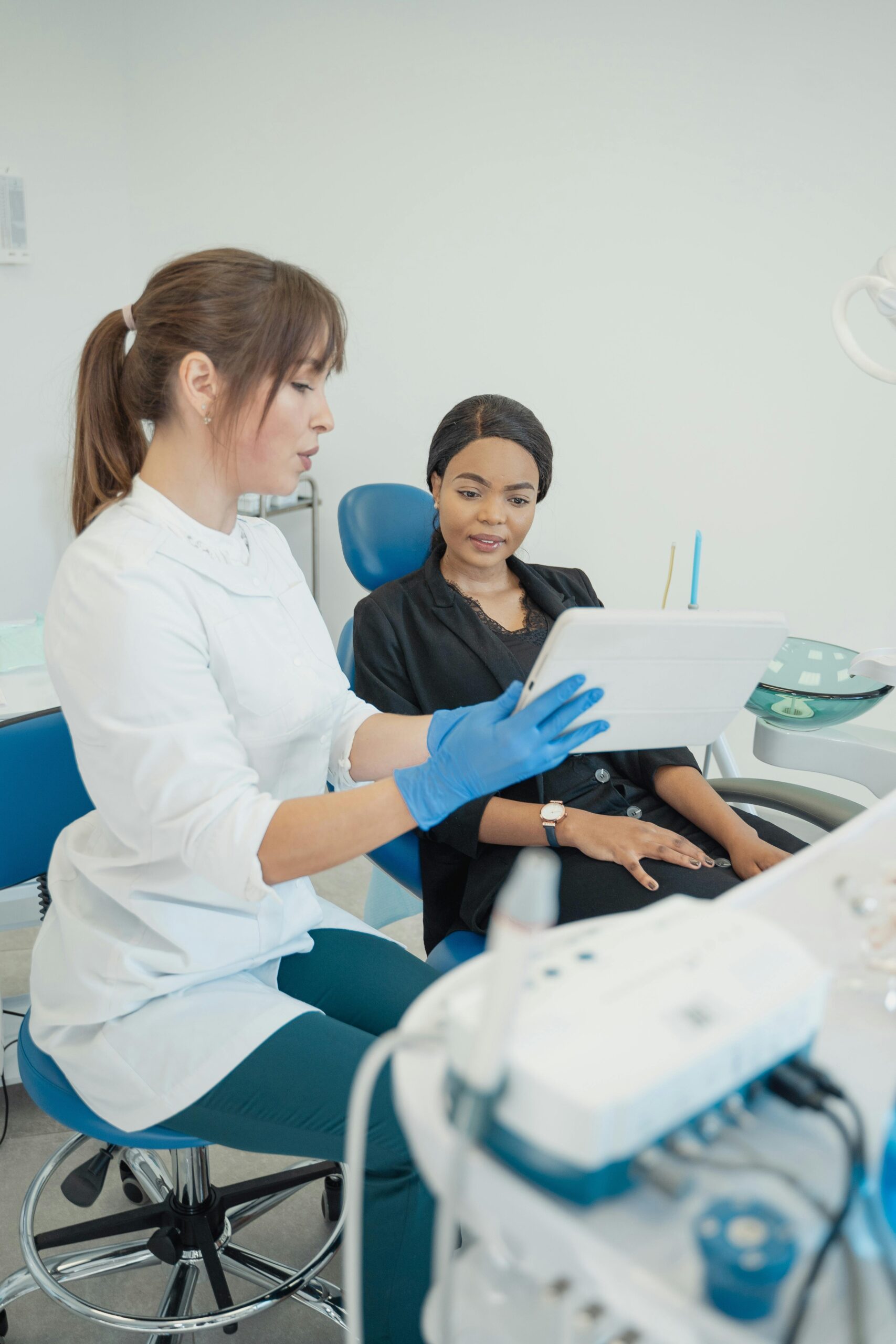


Dental emergencies rarely arrive at a convenient time. A patient goes to bed with a dull ache and wakes at 3 a.m. With a face that looks different in the mirror. Someone bites down on lunch and feels a crack, then within hours the tooth throbs so hard it radiates into the ear and temple. A parent notices a child’s gum has ballooned around a molar late on a Sunday. In each case, the problem feels urgent for the same reason: infection, pain, and swelling tend to accelerate, not settle down, when the source is inside a tooth or deep in the surrounding tissues.
That is where an Emergency Dentist becomes essential. The public often assumes emergency care is mostly about giving antibiotics or stronger pain relief. In practice, the real job is more precise than that. An experienced dentist must quickly work out what tissue is involved, how advanced the problem is, whether the airway or deeper facial spaces are at risk, and which treatment will bring pressure down fast enough to stop the pain from escalating. Timing matters. So does judgment.
What follows is how emergency dental care actually works when infection, pain, and swelling are front and center.
Why these cases become urgent so quickly
A tooth is a small structure in a tight space, and that fact explains much of the misery. Once the pulp inside a tooth becomes inflamed or infected, there is almost nowhere for the pressure to go. That rising pressure irritates the nerve, and patients feel it as throbbing, stabbing, or a relentless ache that seems out of proportion to the size of the tooth. If the infection escapes the root tip or tracks into the gum and facial tissues, swelling begins. At first it may look minor, but dental infections can spread through tissue planes in ways that surprise people.
Not every swollen gum is dangerous, and not every bad toothache means a spreading infection. Some emergencies are driven more by inflammation than active infection. A cracked tooth with a live but severely inflamed pulp can be agonizing without obvious swelling. On the other hand, a tooth that has quietly died may not hurt much until an abscess forms and the cheek enlarges. This is one reason an Emergency Dentist does not treat pain based on appearance alone. The pattern of symptoms tells a story, and the first task is to read it accurately.
There is also a practical issue that patients do not always appreciate: antibiotics alone often fail to solve a dental infection because the source is usually trapped inside a tooth or enclosed in an abscess cavity. Medication may slow the spread, but if the infected material cannot drain or the diseased pulp remains in place, the pressure and bacterial load often return. Relief comes faster when the source is physically treated.
The first few minutes matter most
When a patient arrives with facial swelling or severe pain, the early part of the appointment is highly focused. The goal is not to gather every detail of the person’s dental history before doing anything useful. The goal is to find out whether this is a local problem that can be handled safely in the chair, or a more serious infection that needs escalation.
An Emergency Dentist will usually begin by asking how quickly the swelling developed, whether the patient can swallow normally, whether fever or chills are present, and whether the pain wakes them from sleep or feels worse when lying down. A surprising number of important clues come from those first answers. Swelling that appears over a few hours, difficulty opening the mouth, trouble swallowing, or a feeling that the tongue is being crowded can indicate a deeper infection. Those features change the urgency.
Medical history also matters immediately, not as paperwork theater but because the body’s ability to contain infection varies. Diabetes, chemotherapy, immune suppression, recent steroid use, and some heart conditions influence both treatment decisions and risk. So do allergies, especially antibiotic allergies, though many people who believe they are allergic have never had a true allergic reaction. That distinction can matter when medication choices are limited.
After history comes the exam. A careful dentist looks at the face first, before the mouth. Is the swelling localized near one tooth, or does it involve the eye area, the floor of the mouth, or the angle of the jaw? Is the skin red and tense? Is the patient speaking normally? Are they breathing comfortably? Inside the mouth, the clinician checks the gums, vestibule, floor of mouth, tongue position, and the suspect teeth. Tapping on the tooth, testing cold response, checking mobility, and looking for drainage points all help narrow the cause. X-rays are often taken quickly, but good emergency care never depends on the radiograph alone. Early infections can hurt intensely before a dramatic image appears.
Fast pain control starts with the diagnosis
Patients often come in asking for the pain to be “stopped.” That is understandable, but pain control in dentistry works best when it is tied to the source. A toothache from an inflamed pulp behaves differently from pain caused by pressure in an abscess. Gum swelling around a partially erupted wisdom tooth is different again. The treatment that helps one can fail completely in another.
If the pain comes from irreversible pulpitis, which is severe inflammation in the tooth’s nerve, the fastest way to reduce suffering is usually to open the tooth and remove the inflamed tissue through emergency root canal access, or to extract the tooth if it is not salvageable. Patients are sometimes surprised by how dramatic the relief can be once the pressure inside the tooth is released. It is not always instant, but the difference over the next several hours can be substantial.
If the issue is a localized abscess, drainage becomes the priority. Sometimes that means opening the tooth if the infection is draining through the root canal system. Sometimes it means making a small incision in the swollen gum to let pus escape. In many cases, those procedures do more for pain than any prescription could.
Local anesthesia is a key part of emergency care, but it has limits in hot, infected areas. Acidic tissue can reduce the effectiveness of anesthetic, which is why skill and technique matter so much. An experienced Emergency Dentist may choose a nerve block farther from the infected zone, give the anesthetic time to work, or combine techniques rather than repeatedly injecting the same painful area. Calm communication helps too. A frightened patient who has not slept in two nights often tenses every muscle in the face, which can make treatment harder and increase distress.
Over the counter pain medicines are often useful after the emergency procedure, but they are not interchangeable. Anti inflammatory medication is particularly effective for many dental pain patterns because inflammation is a major driver. In some cases, alternating medications can help, assuming the patient’s medical history allows it. Dentists have to weigh age, stomach issues, kidney function, anticoagulant use, and other factors before recommending a regimen. That is why generic advice from the internet can go wrong quickly.
Infection is managed by removing the cause, not masking it
This is the point many patients find counterintuitive. If a tooth is infected, why not just start antibiotics and wait? Because antibiotics have limited penetration into a dead or sealed-off space. If the pressure source remains, the pain often persists and the infection can flare again as soon as the medication ends.
An Emergency Dentist usually thinks in two tracks at once. The first track is local control: drain the abscess, open the tooth, remove infected tissue, or extract a non-restorable tooth. The second track is systemic support: use antibiotics when there are signs they are actually needed. Those signs include spreading swelling, fever, malaise, swollen lymph nodes, cellulitis, or a patient whose medical condition lowers resistance. Without those features, routine antibiotics for every toothache are not good medicine and do not solve the underlying problem.
This distinction matters not just for antibiotic stewardship, though that is important, but because delayed definitive treatment can make the eventual problem larger and more expensive. A patient who receives repeated short courses of antibiotics without source control often returns with a bigger abscess, more tissue involvement, and fewer treatment options.
Drainage deserves special emphasis because it is one of the least glamorous and most effective things an emergency dentist does. When a fluctuant swelling is present and can be safely accessed, releasing the trapped material reduces pressure, lowers bacterial load, and often brings visible improvement within a day. Patients remember that kind of relief. They also remember when nobody explained why antibiotics alone were not enough.
Swelling is the sign that changes the conversation
Pain gets attention, but swelling changes risk. A swollen cheek from a dental abscess may still be manageable in a general dental setting if it is localized and the patient is otherwise stable. Once the swelling spreads, involves the eye area, or affects the floor of the mouth, the threshold for hospital referral drops sharply.
Dentists are trained to look for red flags that suggest the infection may be leaving the realm of ordinary office treatment. Those warning signs include the following:
- Difficulty swallowing, drooling, or a muffled voice.
- Trouble breathing or a sense of throat tightness.
- Swelling under the tongue or in the floor of the mouth.
- Rapidly spreading facial swelling, especially toward the eye.
- Fever, profound fatigue, or inability to open the mouth normally.
Any one of https://rylanovuu650.moderncairn.com/posts/what-to-eat-after-visiting-an-emergency-dentist these can justify urgent escalation. The reason is simple: some dental infections spread into deep fascial spaces where they can threaten the airway or require imaging, intravenous antibiotics, and surgical management. A responsible Emergency Dentist does not try to “tough out” those cases in the office for the sake of convenience.
For less severe swelling, same-day treatment in the clinic is often enough. The dentist may drain the area, treat or remove the tooth, prescribe medication if indicated, and review the patient within a short interval. Follow up is not a formality here. It is how the clinician confirms the swelling is receding rather than smoldering.
Different causes, different emergency responses
One reason emergency dental care can seem inconsistent from the outside is that similar symptoms can come from very different conditions. A good clinician resists one-size-fits-all treatment.
A classic abscess around the tip of a tooth root usually follows decay, trauma, or a failing old filling that allowed bacteria into the pulp. These cases often respond well to opening the tooth for drainage or extracting it if it cannot be saved. By contrast, a periodontal abscess starts in the supporting gum tissues rather than inside the pulp. That may call for gum drainage, deep cleaning of the pocket, and evaluation of the surrounding periodontal condition.
Pericoronitis, a common emergency around partially erupted wisdom teeth, creates swelling and pain under a flap of gum over the tooth. The patient may struggle to bite comfortably and can develop bad taste or bad breath as debris collects. Immediate care often involves cleaning under the flap, irrigating the area, smoothing the trauma cycle, and deciding whether the wisdom tooth should be removed once the acute phase settles.
A cracked tooth is another frequent culprit. These cases can be deceptive. The patient may report pain on biting or when releasing the bite, and the discomfort can swing from mild to severe over days. If the crack has inflamed the pulp, the emergency treatment may resemble that for deep decay. If the crack extends too far below the gum or splits the tooth, extraction may be the only predictable option.
These distinctions matter because the fastest path to relief depends on the diagnosis. Prescribing the same medication for all of them would be poor care.
What an emergency visit often looks like in real life
Patients picture emergency dentistry as rushed, but the best urgent care feels focused rather than frantic. A typical visit starts with a concise but pointed history, an exam, and one or two x-rays if needed. Then comes a decision: can the source be treated immediately, and if so, what option gives the best balance of speed, safety, and long term outcome?
Sometimes the answer is straightforward. A decayed molar with obvious pulpal pain in a healthy adult can often be opened, cleaned enough to reduce pressure, and temporized in one visit. If the patient wants to save the tooth, full root canal treatment or referral to an endodontist is arranged soon after. If the tooth is beyond repair, extraction may be the cleaner emergency solution.
Sometimes judgment is less tidy. A patient might have severe swelling around a tooth that could theoretically be saved, but they have limited funds, poor access to follow up care, and recurrent infections in the same area. In that situation, extraction may be the most realistic emergency treatment even if a more complex rescue is technically possible. Emergency dentistry is full of these trade-offs. Good clinicians discuss them plainly rather than pretending there is only one correct path.
There is also the issue of timing. Late-night pain tends to make people want the quickest possible fix, but some definitive treatments require conditions that are not ideal in the acute phase. For instance, opening an infected tooth may be the right first move tonight, while completing a full root canal under calmer circumstances later is the more predictable second step. That is not compromise. It is staged care.
Why antibiotics sometimes help, and sometimes disappoint
Patients often judge the quality of an emergency visit by whether they leave with a prescription. That expectation is understandable, especially if they have had prior infections elsewhere in the body. Dental infections are different because the anatomy is different.
Antibiotics are valuable when infection has spread beyond a confined space or when systemic signs are present. They can support the body while the local treatment takes effect. But they do not deaden a live inflamed nerve, and they do not reliably resolve pressure inside a sealed tooth. This is why a patient may feel frustrated after taking antibiotics for two days with little pain relief. The medication was never going to solve the core problem on its own.
A skilled Emergency Dentist explains this early, because expectation management is part of pain management. If a patient understands that the real relief comes from drainage, pulp removal, or extraction, they are less likely to delay the procedure while hoping a tablet will perform a mechanical job.
Aftercare is part of emergency treatment, not an afterthought
The work does not end when the patient leaves the chair. Clear aftercare instructions often determine whether the next 24 hours improve smoothly or become another late-night crisis. Patients need to know what level of soreness is normal, how to use their medications safely, what foods to avoid, and which signs mean the condition is not improving as expected.
Most emergency dentists cover a few practical points before discharge:
- Pain should gradually shift downward after treatment, not intensify hour by hour.
- Swelling can take a little time to settle, but spreading swelling needs review.
- Hydration, soft food, and rest matter more than many patients realize.
- Smoking and alcohol can worsen healing and aggravate pain.
- A temporary fix still needs follow-up to prevent recurrence.
Those conversations may sound basic, but they prevent many avoidable setbacks. I have seen patients feel dramatically better after drainage, then provoke fresh pain by chewing steak on a temporary restoration the same evening. I have seen others ignore increasing swelling because the tooth itself hurt less, not realizing the infection was moving into the tissues. Good aftercare advice catches these edge cases.
The cases that need immediate transfer
Most dental emergencies can be managed in practice, but the dangerous minority need hospital-level care. This is one of the clearest marks of an experienced Emergency Dentist: knowing when not to persist chairside.
A patient with floor-of-mouth swelling, significant trismus, fever, and difficulty swallowing may need imaging, airway monitoring, intravenous medication, and oral and maxillofacial surgery support. A child with facial swelling near the eye warrants particular caution. An elderly patient with dehydration and a spreading odontogenic infection can deteriorate quickly. In these cases, fast referral is not a failure of dental care. It is excellent dental care.
The same applies when pain is severe but the source is uncertain. Not every face pain emergency is dental. Sinus disease, neuralgia, salivary gland problems, and even cardiac referred pain can mimic toothache patterns. A competent dentist keeps that differential in mind, especially when the exam findings do not match the intensity or pattern of symptoms.
What patients can do before they are seen
The period between the onset of symptoms and the appointment often feels endless, especially overnight. Patients can make that window safer and more tolerable, but there are limits. Rinsing gently with warm salt water may soothe irritated gums. Keeping the head elevated can reduce throbbing for some people. Cold compresses on the outside of the face may help with comfort in certain swelling cases. Taking appropriate over the counter pain relief, if medically safe, can blunt the edge until definitive treatment.
What usually does not help is placing aspirin directly on the gum, using leftover antibiotics from a previous illness, or waiting several days with a visibly enlarging swelling. Those are common missteps. So is assuming the pain has “drained itself” because a bad taste appeared and the pressure briefly eased. Spontaneous drainage can reduce pain, but the source is still there.
The real measure of emergency dental care
Fast care is not just about speed at the reception desk. It is about shortening the time between diagnosis and meaningful source control. A toothache can be numbed temporarily. An abscess can be muffled for a day or two. But the best emergency treatment moves beyond symptom suppression and directly addresses why the pain, infection, or swelling began.
That often means making decisions under pressure, with incomplete sleep, anxious patients, and tissues that are angry and difficult to anesthetize. It means knowing when to drain, when to open a tooth, when to extract, when to prescribe antibiotics, and when to escalate to hospital care. It also means being honest about trade-offs. Saving a tooth is ideal when possible, but preserving health and stopping a spreading infection comes first every time.
When patients say they need an Emergency Dentist, what they usually mean is simpler: they need someone who can sort out the dangerous from the merely miserable, relieve pain in a way that lasts, and act before swelling turns into something more serious. That is the heart of emergency dental care, and when it is done well, the difference is felt almost immediately.
Smyle Dental Newhall
23754 Newhall Ave
Santa Clarita, CA 91321, United States
+16612559200
FAQ About Emergency Dentist
Will the ER do anything for dental pain?
An emergency department can assess serious complications and provide temporary care, but it usually cannot provide definitive dental treatment such as a filling or root canal. A dentist needs to identify and treat the cause. Call 911 or seek emergency medical care for difficulty breathing or swallowing, major facial injury, or uncontrolled bleeding.
What qualifies as a dental emergency?
A knocked-out permanent tooth, severe or persistent dental pain, swelling, and a broken tooth with pain need prompt professional assessment. Contact a dentist immediately for guidance on how urgently to be seen. Rapidly spreading swelling or swelling that affects breathing or swallowing requires emergency medical care.
What to do if I have a dental emergency in the middle of the night?
Call your dentist's office for after-hours instructions. Smyle Dental Newhall can be reached at (661) 255-9200; confirm when treatment is available. Do not wait for the office to open if you have trouble breathing or swallowing, uncontrolled bleeding, or a major facial injury. For a toothache while arranging dental care, gently rinse with warm water and avoid putting aspirin directly on the tooth or gums.